Utomorrow
Launching a beauty-device and skincare brand in the US: from naming, positioning and packaging to the website, advertising funnel and customer follow-up.
- Period
- 2025
- Market
- United States
- Scope
- Strategy, website, identity, communications and acquisition
- Stack
- Shopify, CRM, GA4
- Sales growth in 3 months
- +350%
- Unique users reached
- 500,000+
- Average CTR
- 14–20%
The challenge
Utomorrow needed to launch from scratch in a crowded beauty category, with no established customer base or sales funnel. The challenge was to stand out and earn first sales without relying on the category’s usual dramatic promises.
Research and positioning
Research centered on women aged 35–50 balancing work and family, with limited time and energy for a regular skincare routine.
The name combines “you” and “tomorrow”: a reminder that a manageable routine today contributes to confidence tomorrow. The brand was positioned around a simple, approachable approach to self-care.
Identity and packaging
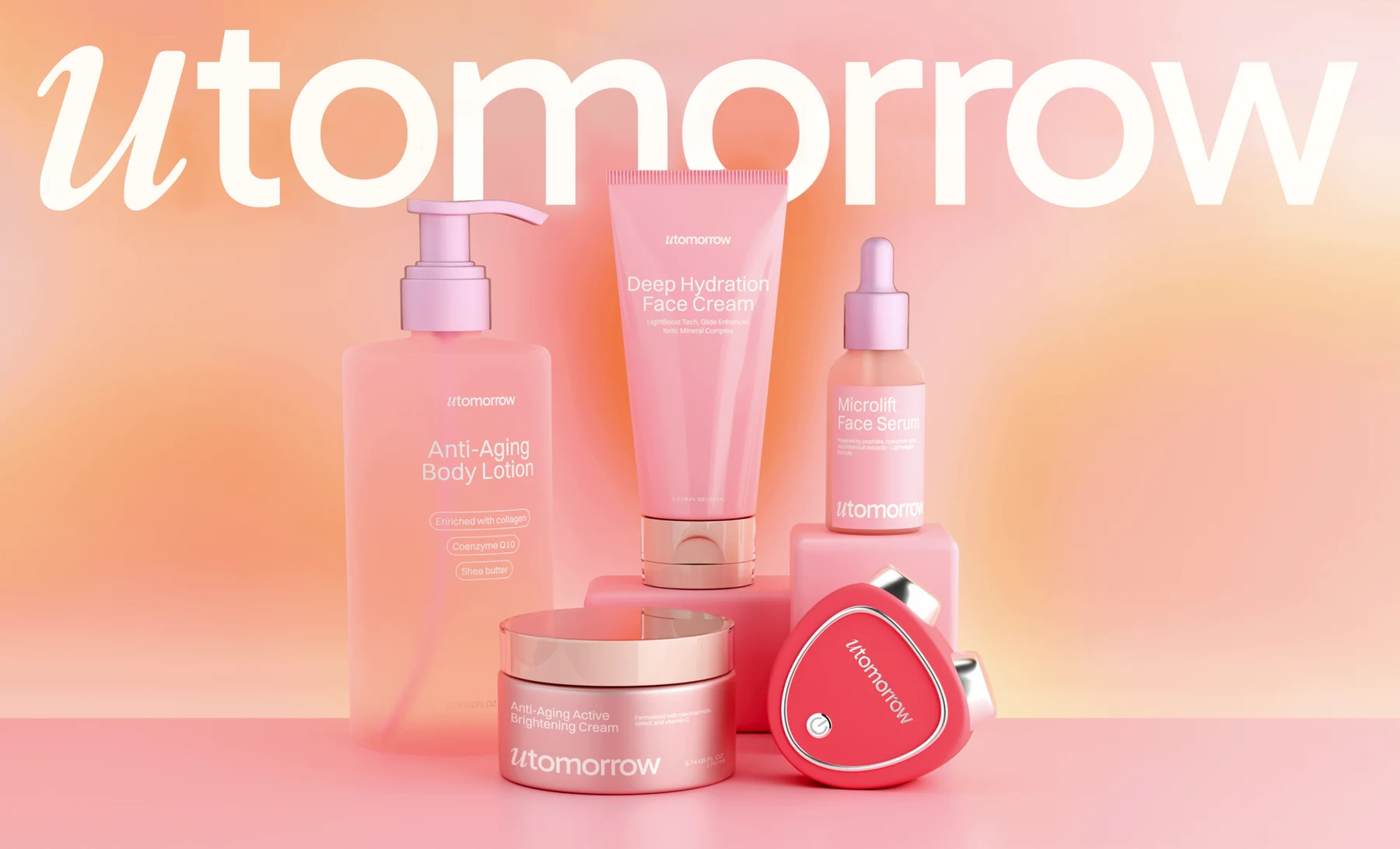
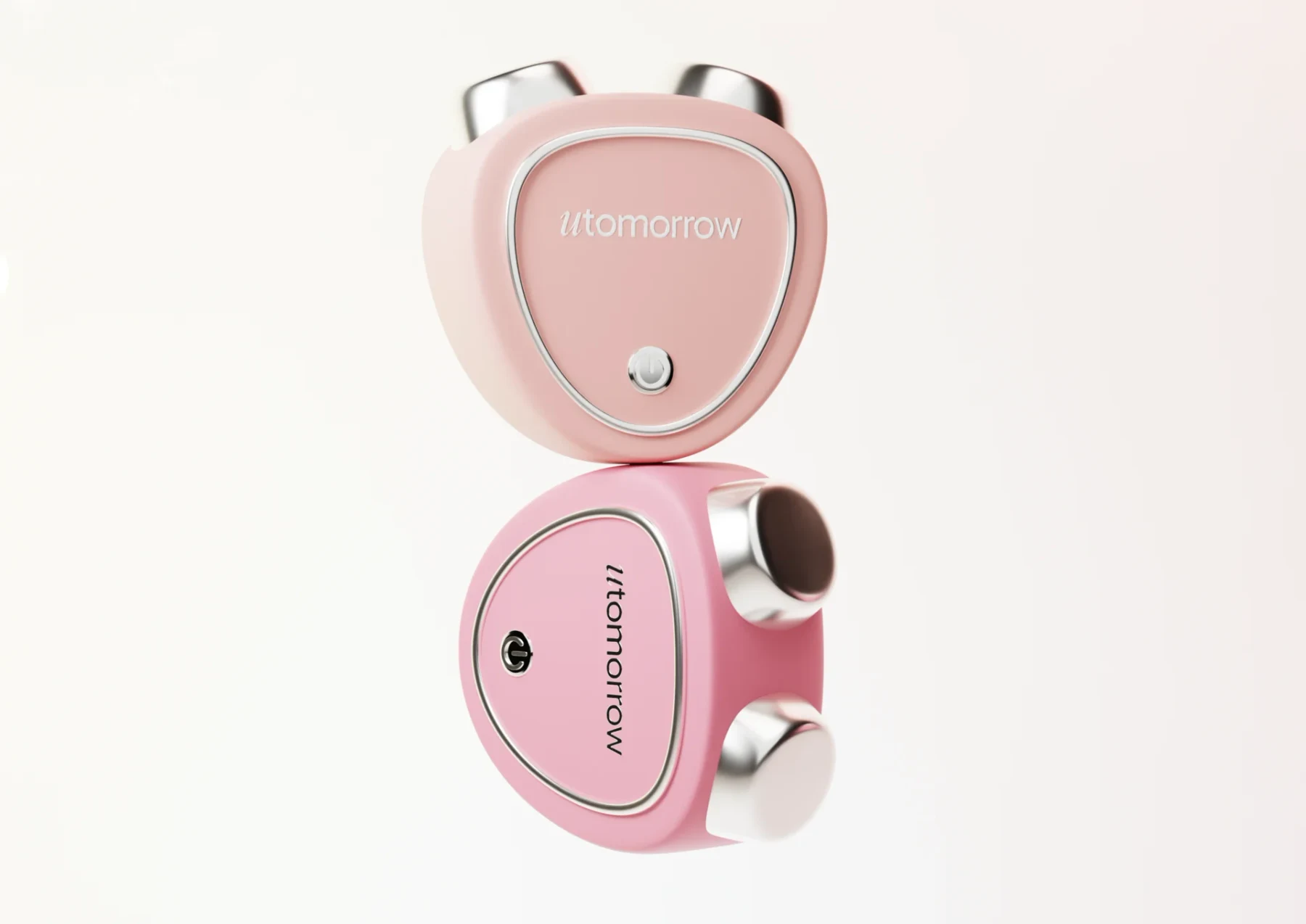
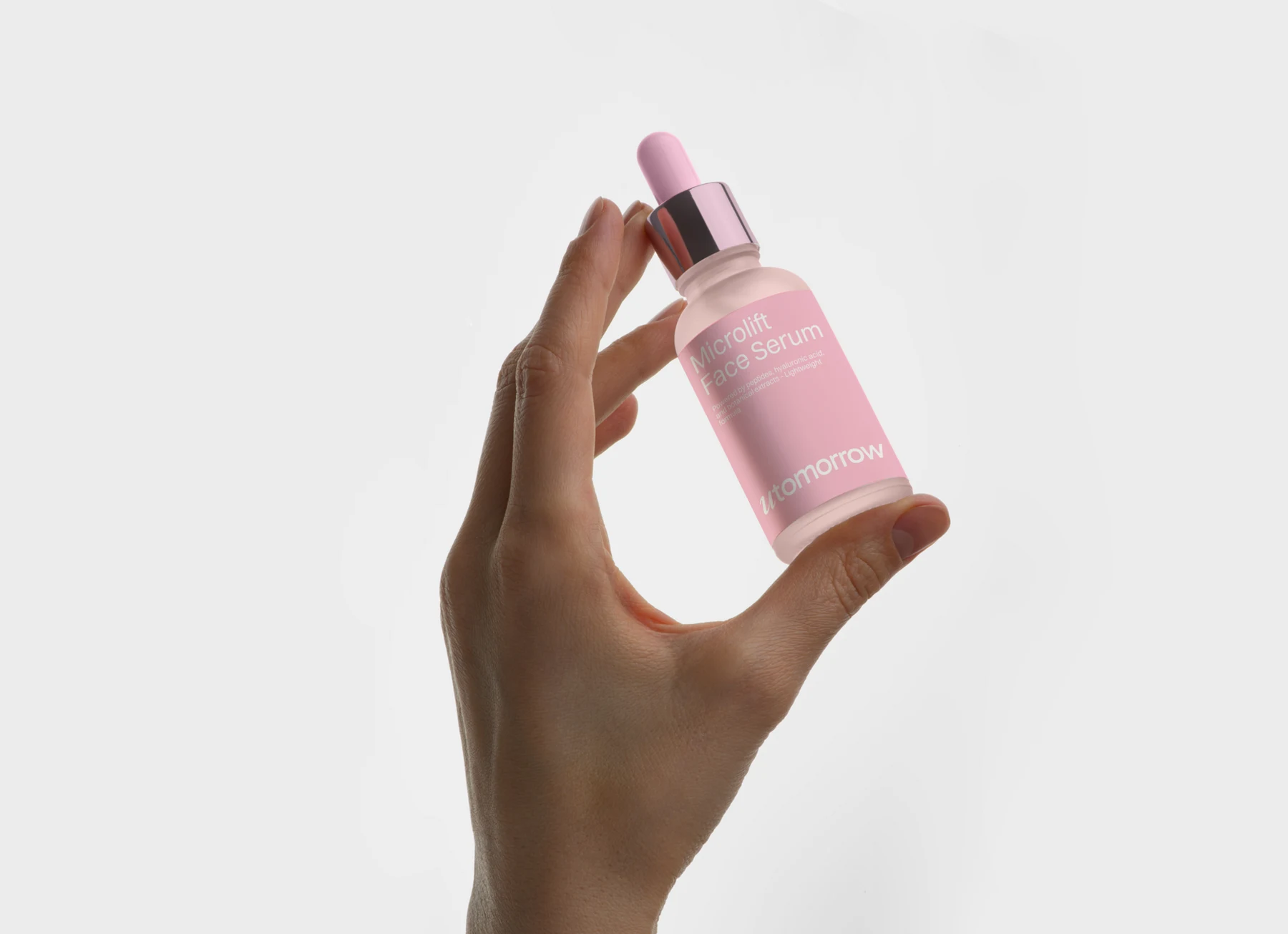
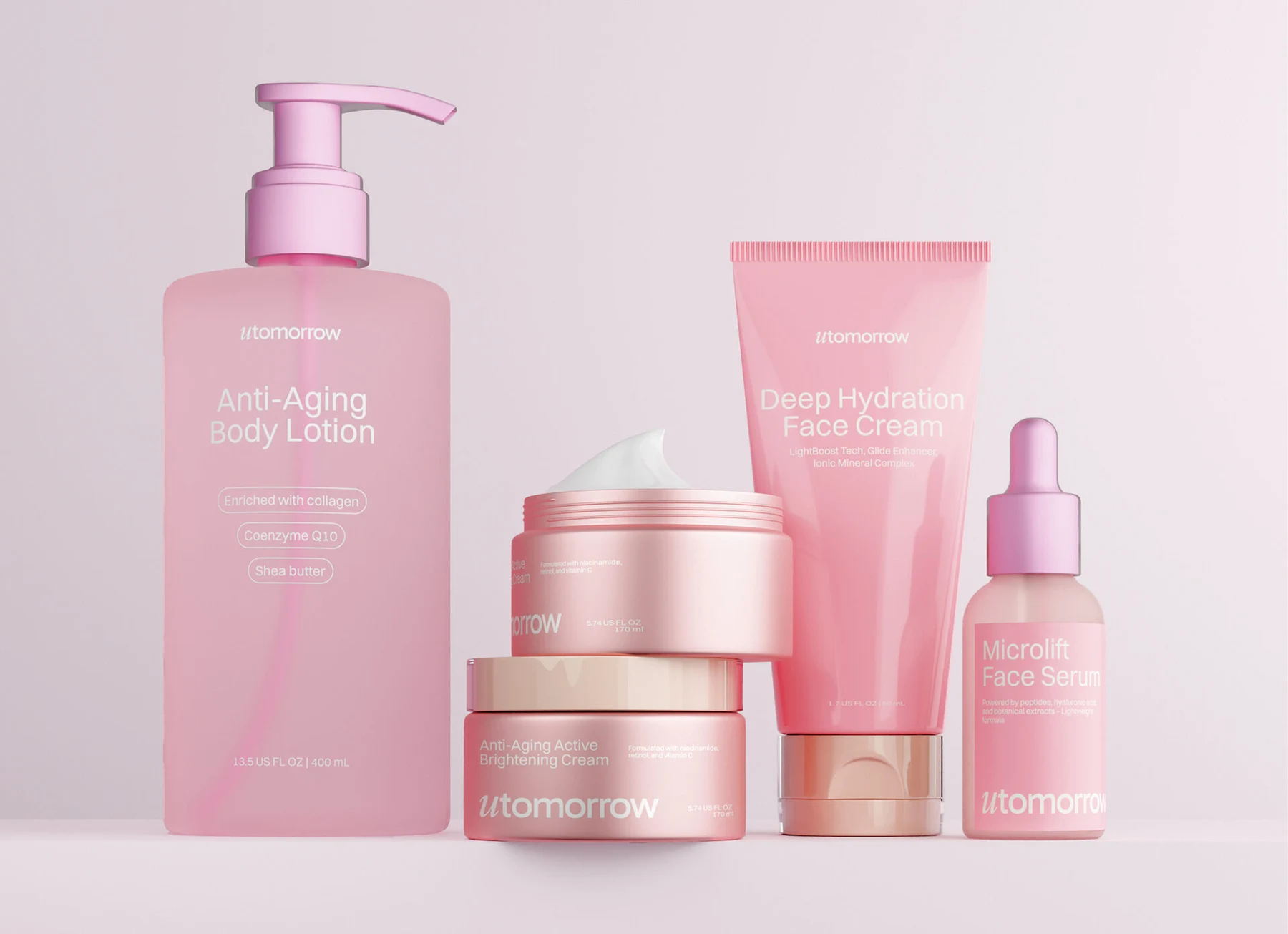
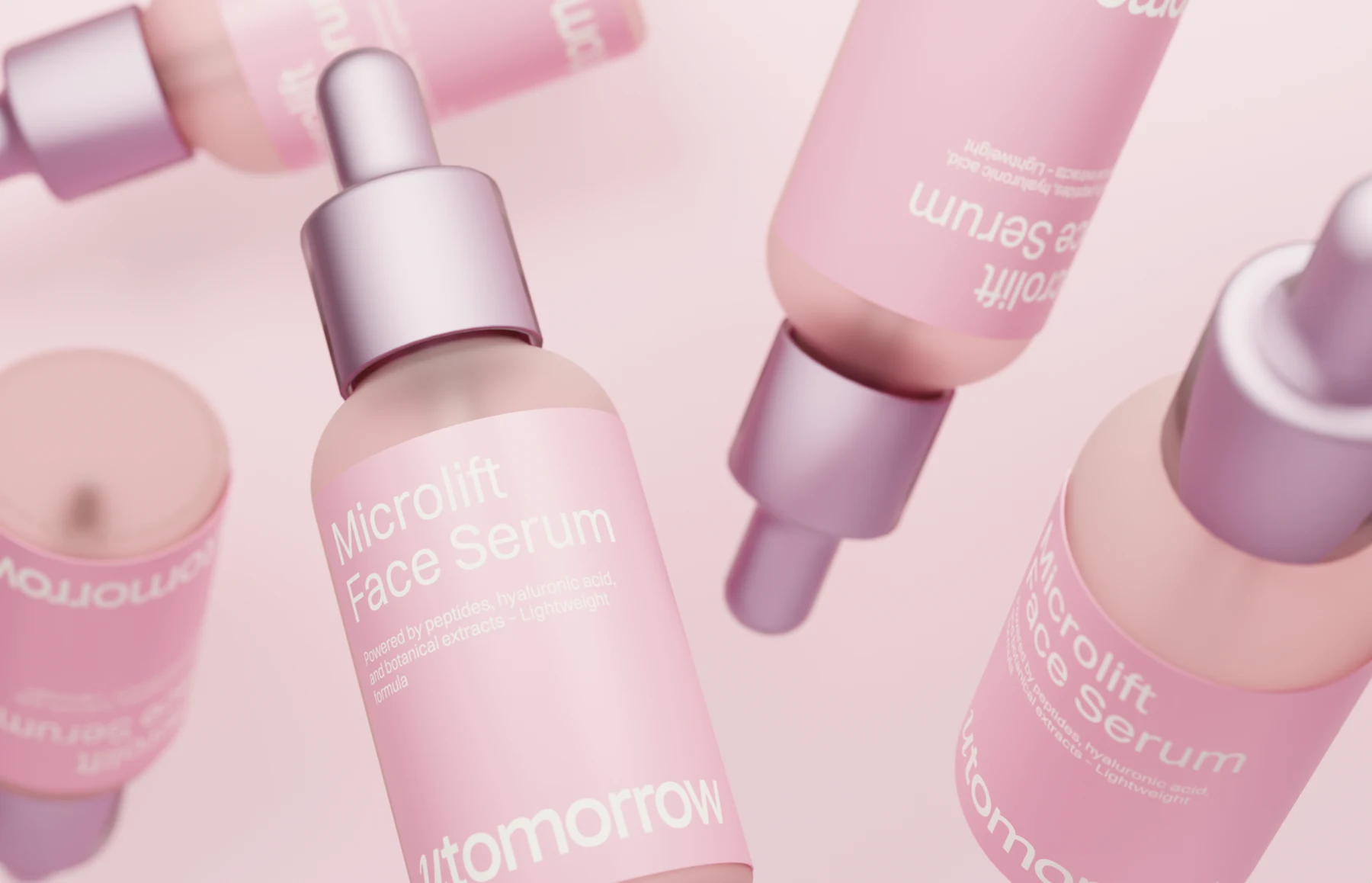
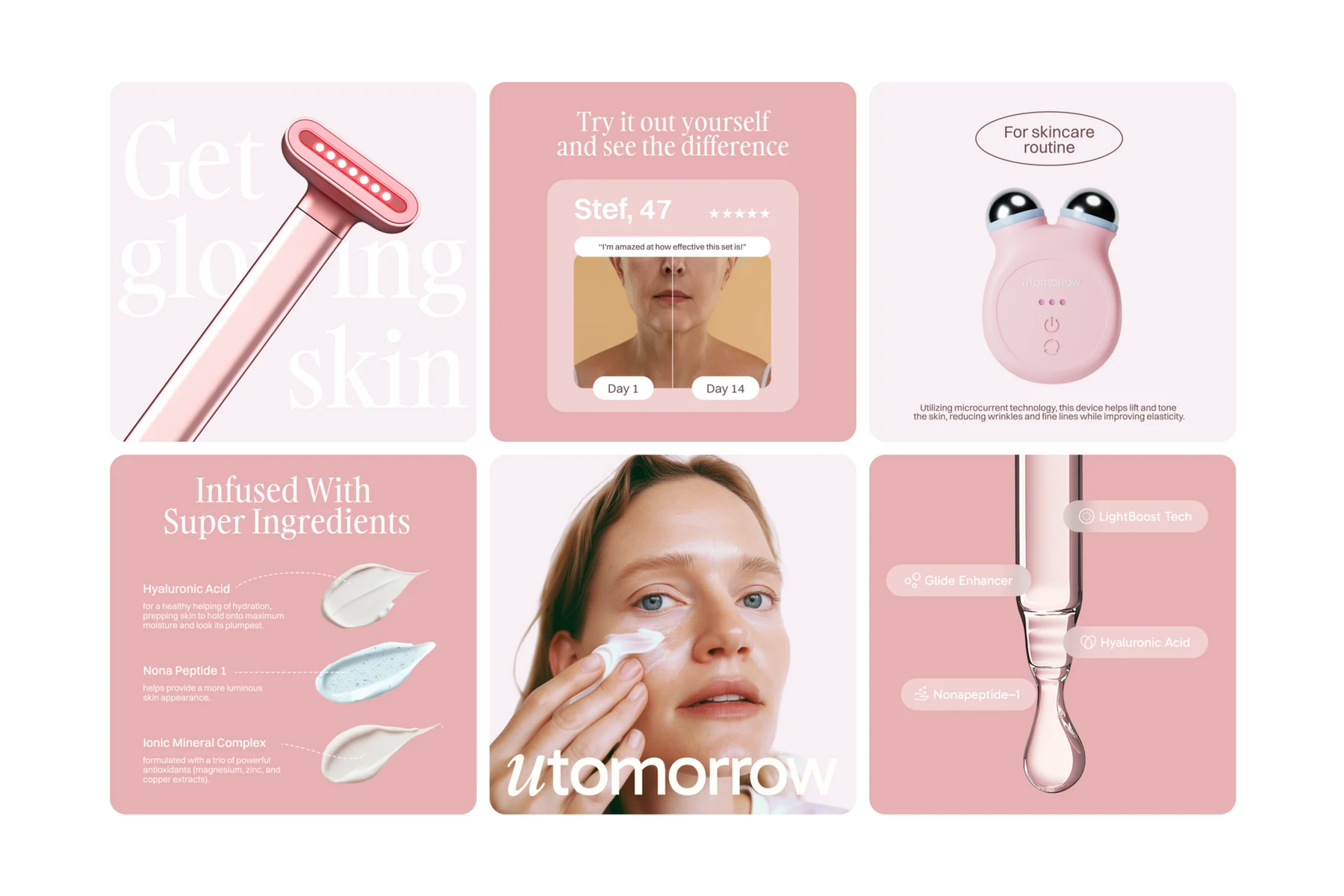
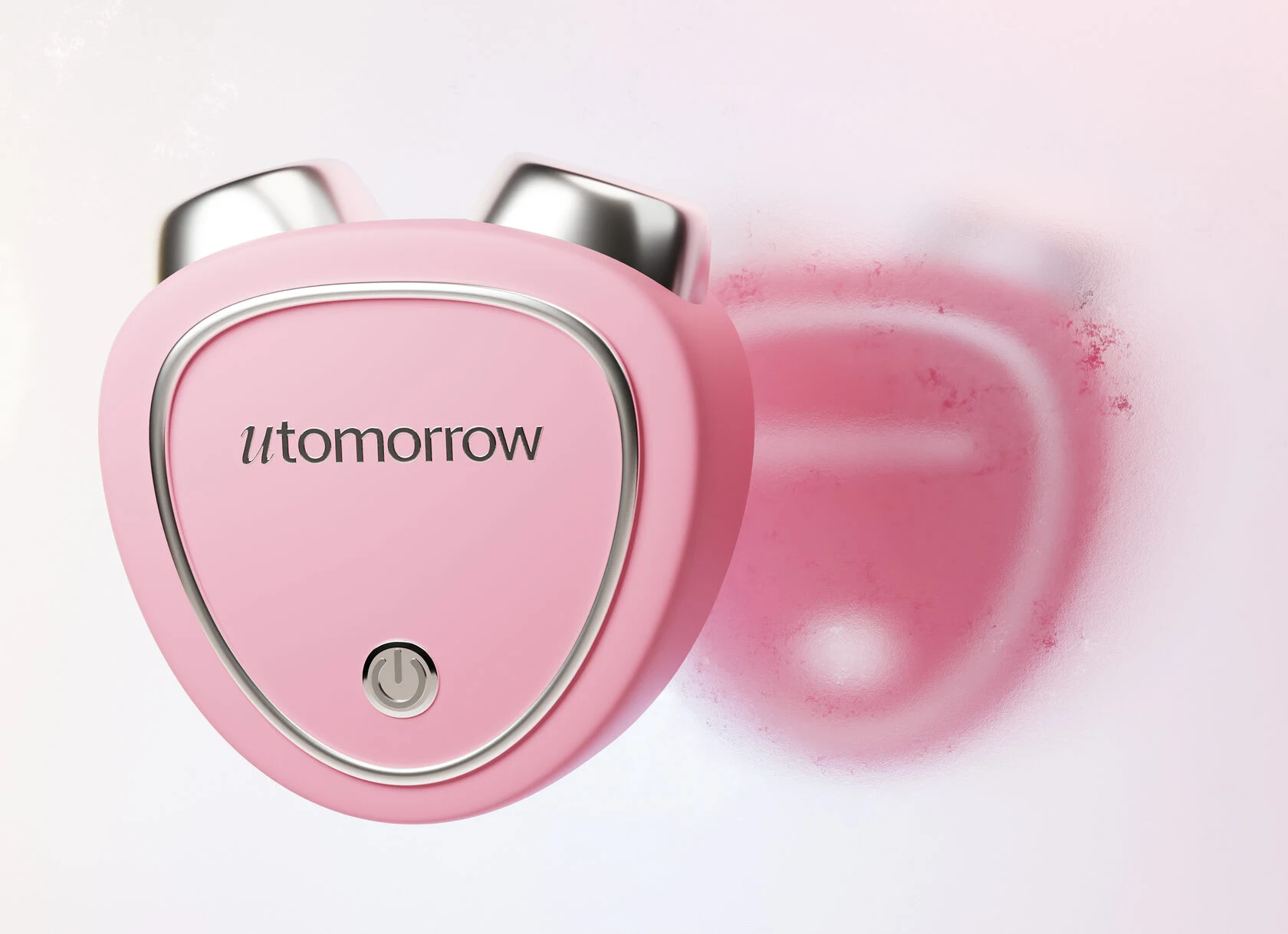
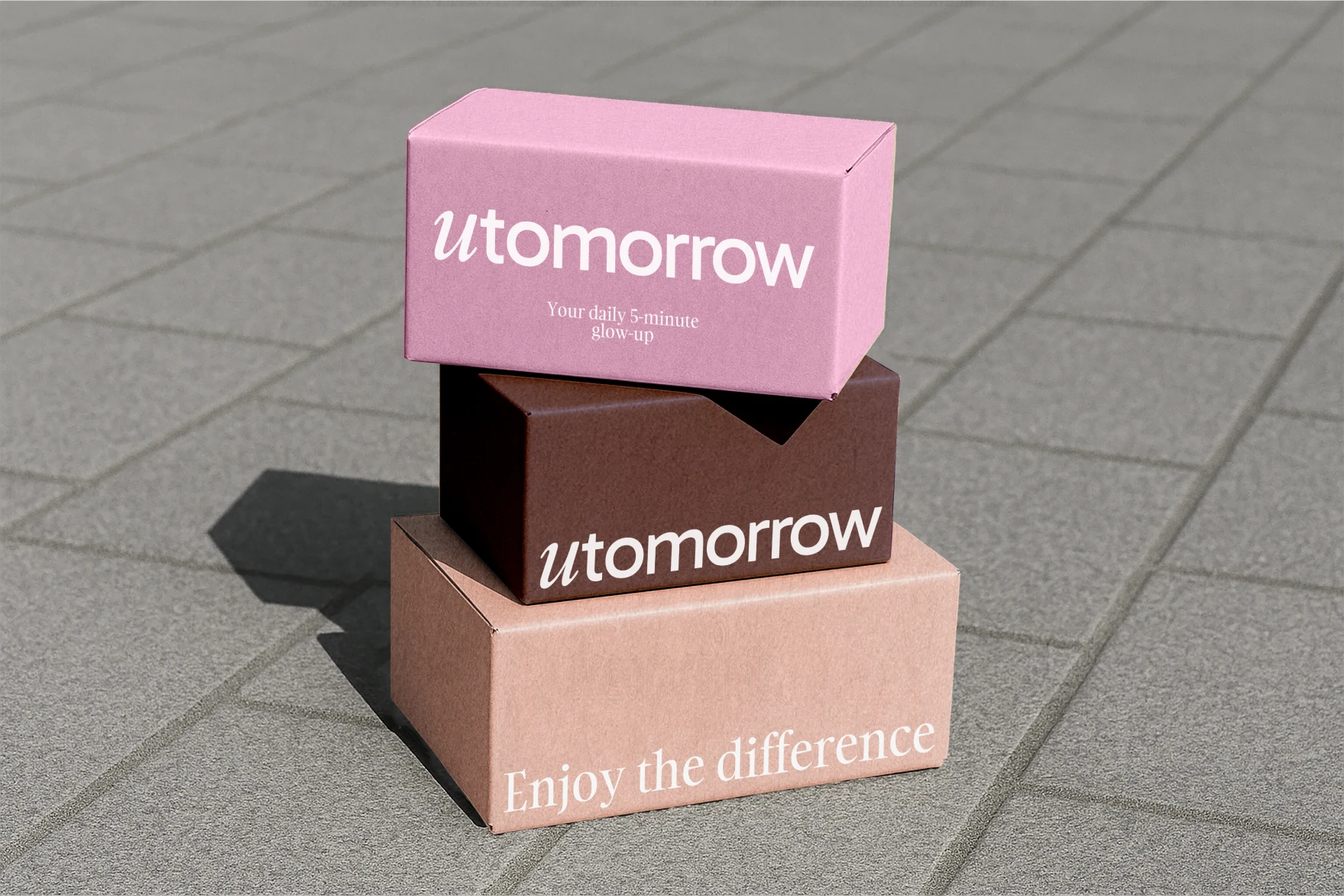
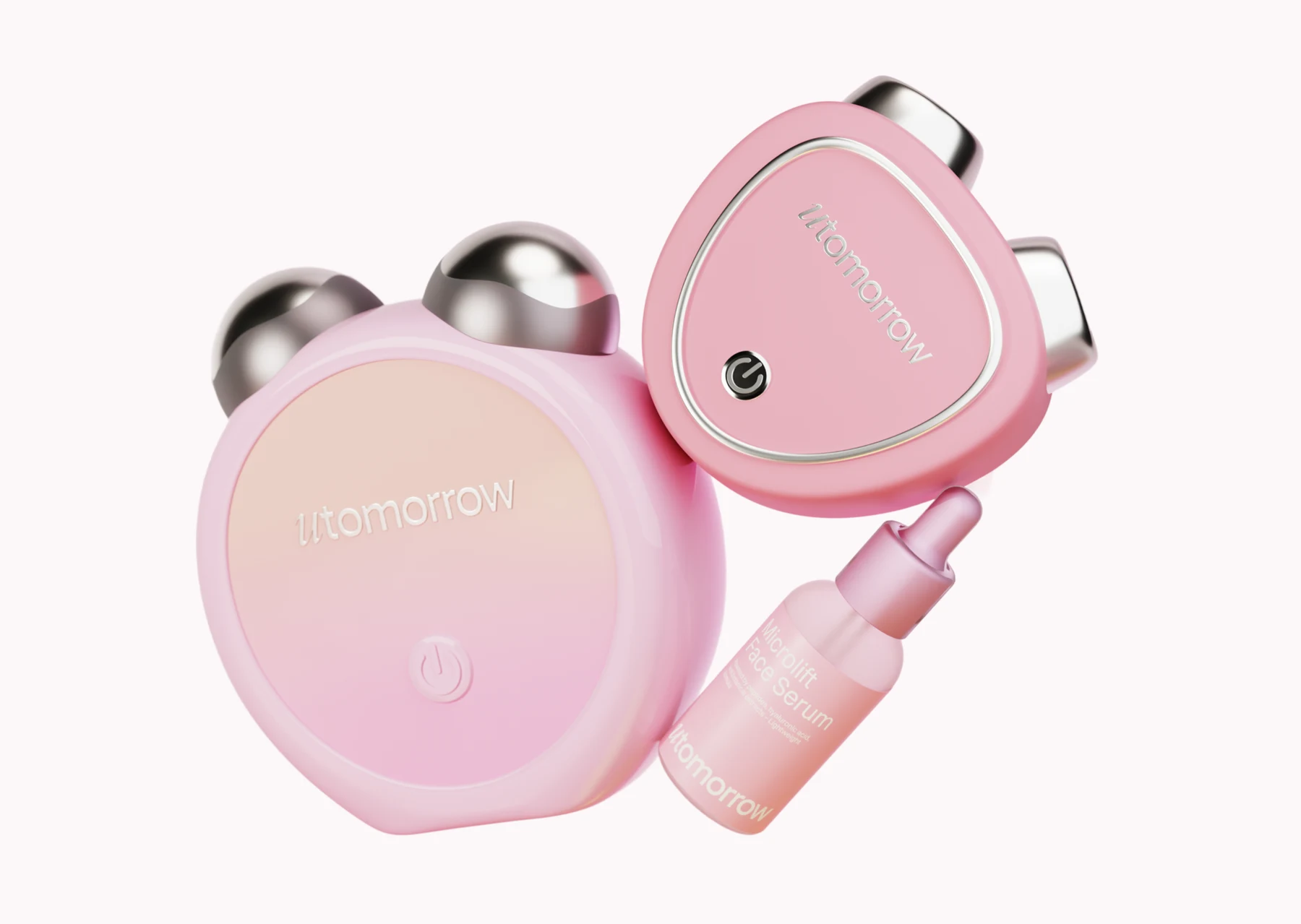
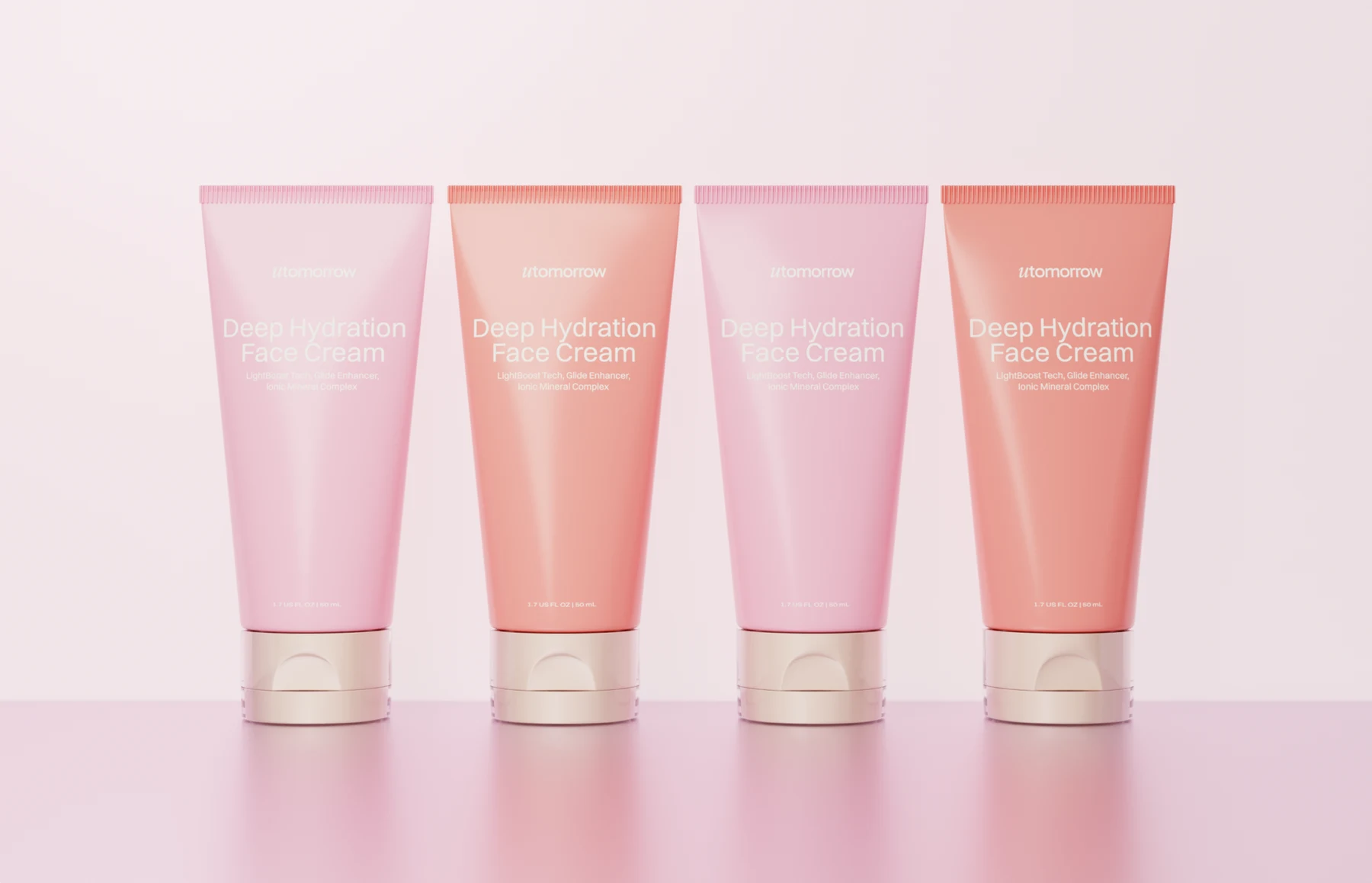
The identity combines a serif U with a sans-serif wordmark. Powder pink, burgundy and white establish a soft, mature visual character.
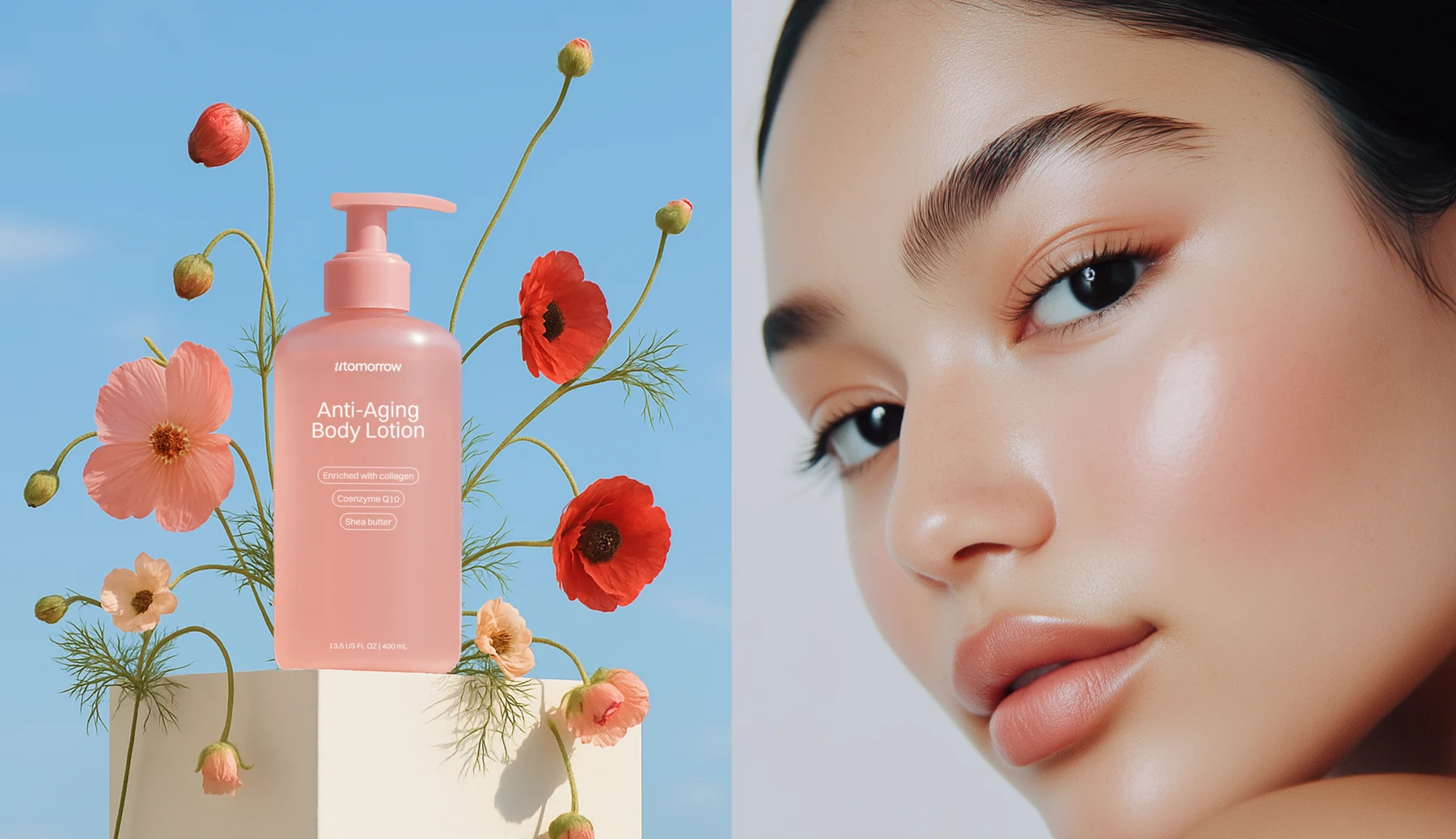
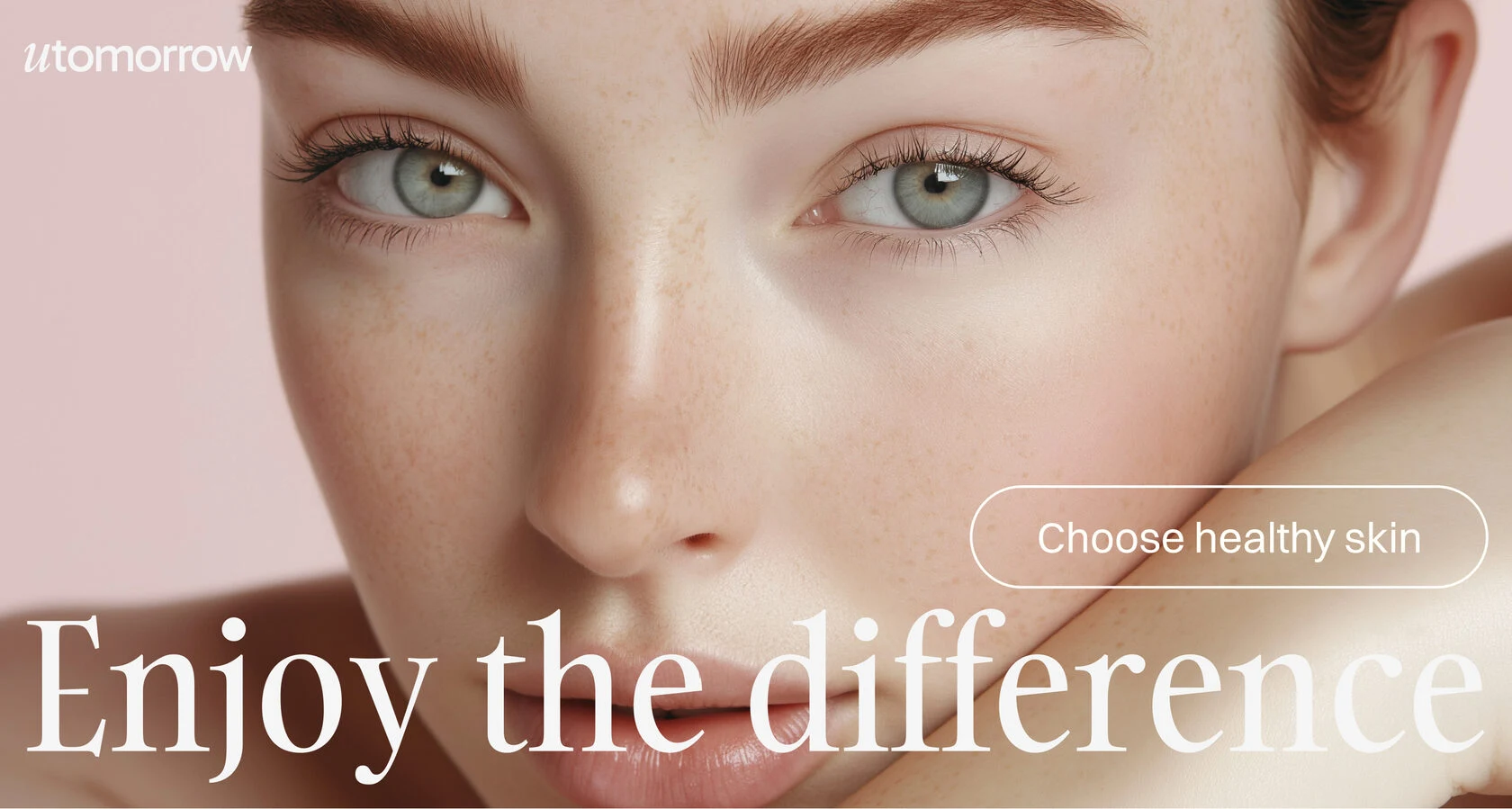
Photography emphasizes everyday confidence rather than a battle against age. Clean typography and restrained packaging were designed to make products worth keeping in sight, while distinguishing the brand from louder competitors.
The acquisition strategy
We audited the website, offers, user journey and decision barriers, then compared beauty-device competitors on Western markets. Behavioral segments included skeptics, aesthetics-led buyers, early adopters and practical mothers.
An AIDA funnel connected first impressions with evaluation and purchase. The content matrix covered stories, reviews, promotional video and comparisons, with offers tailored to different needs.
Creative development
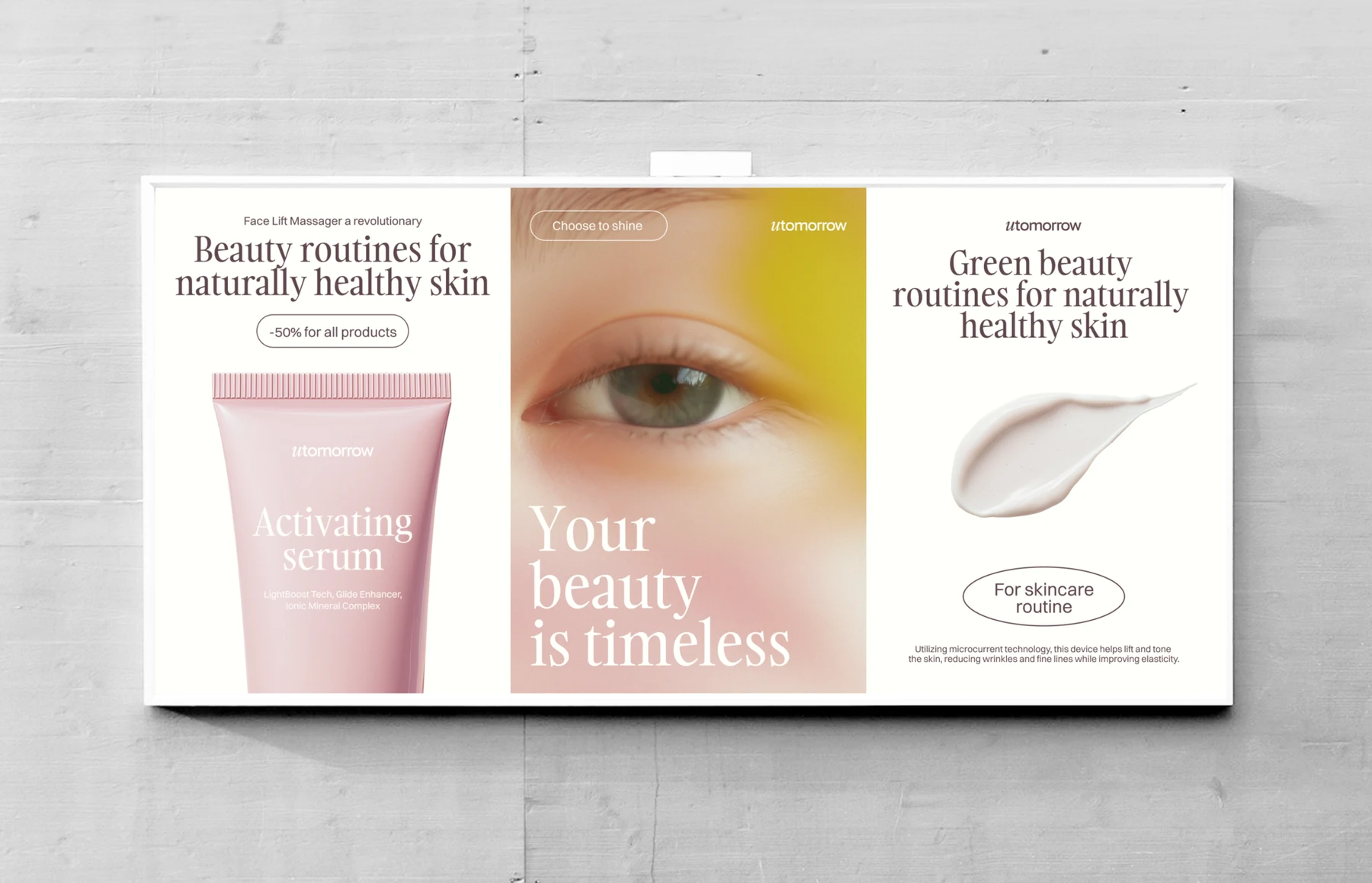
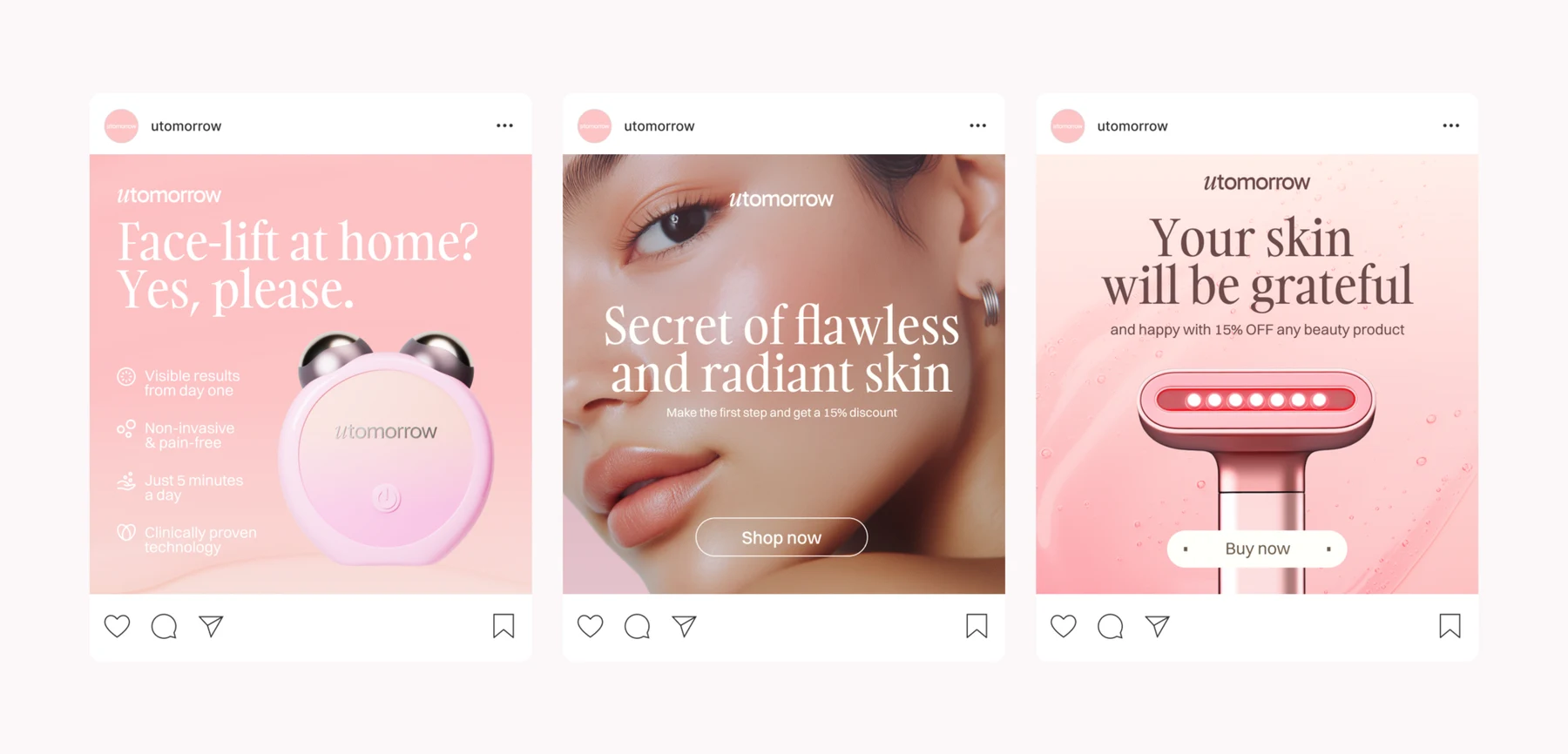
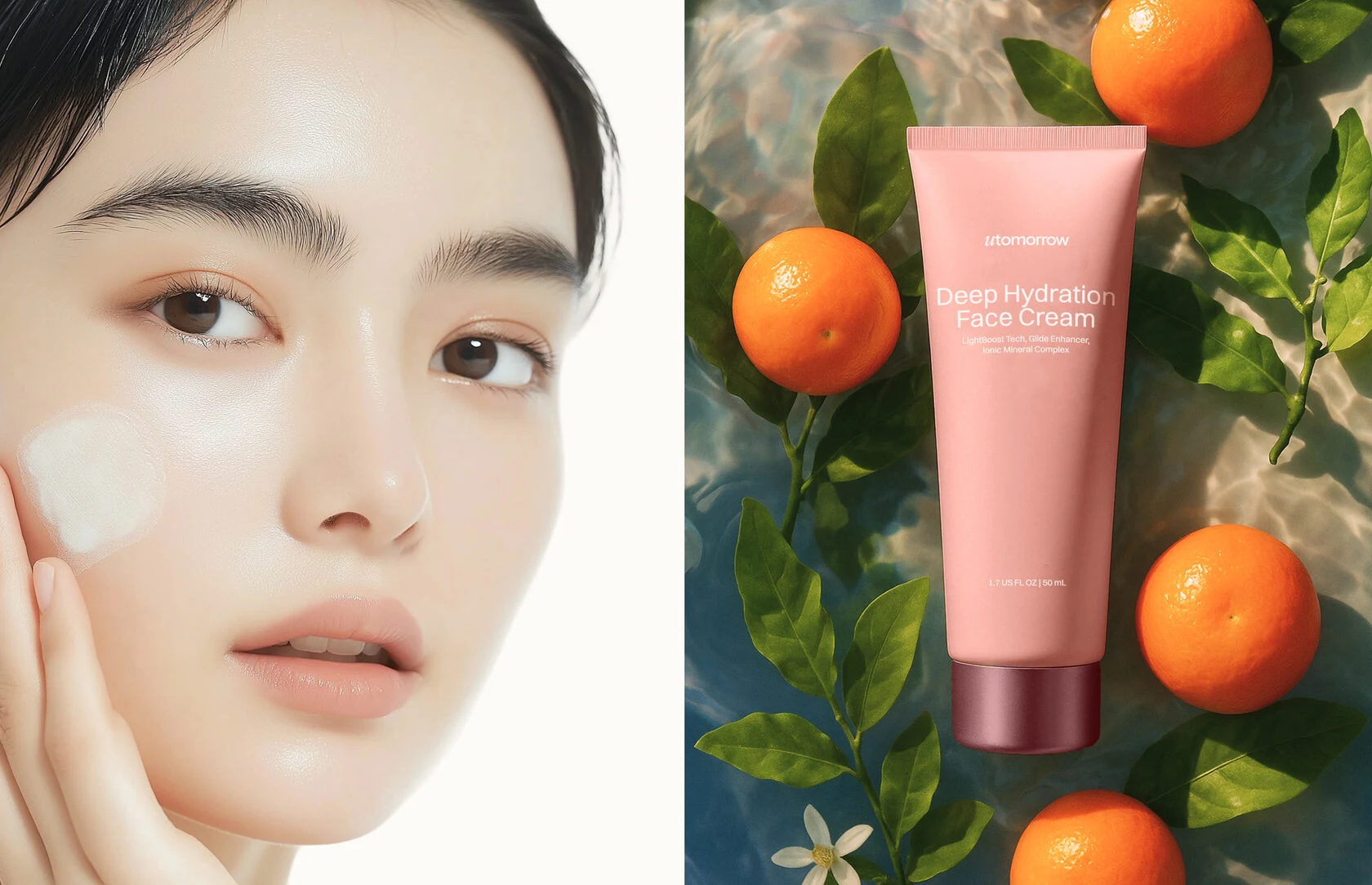
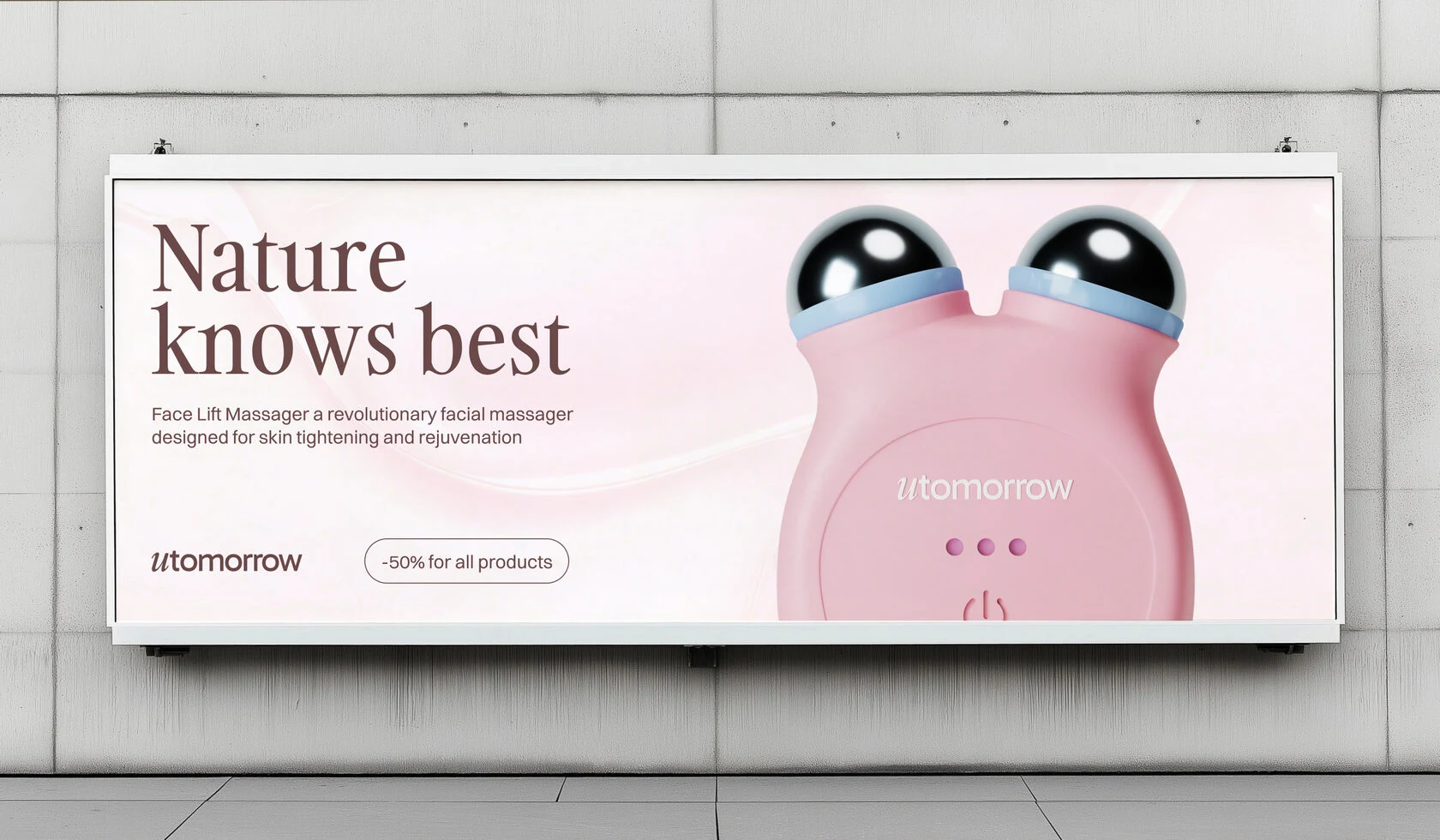
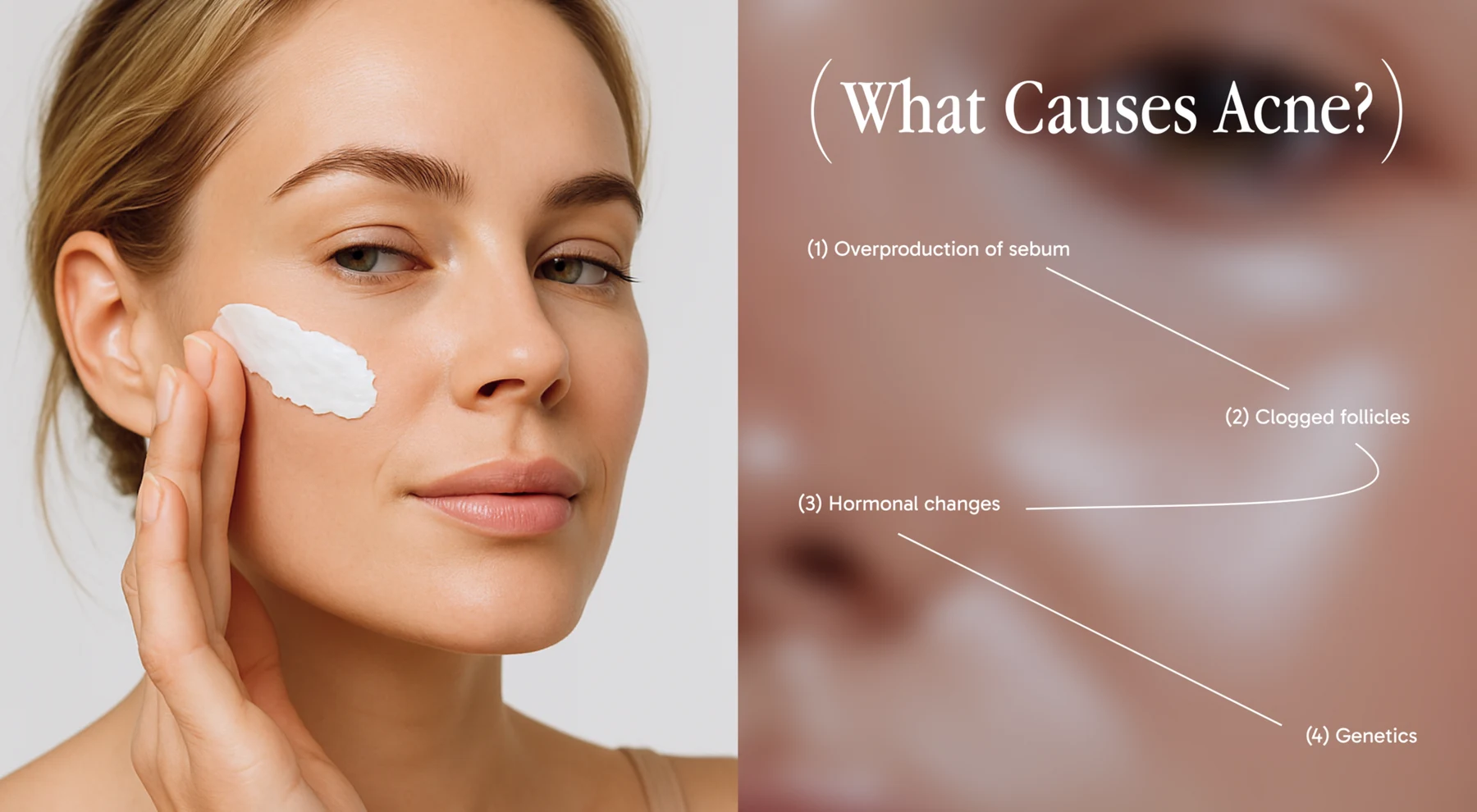
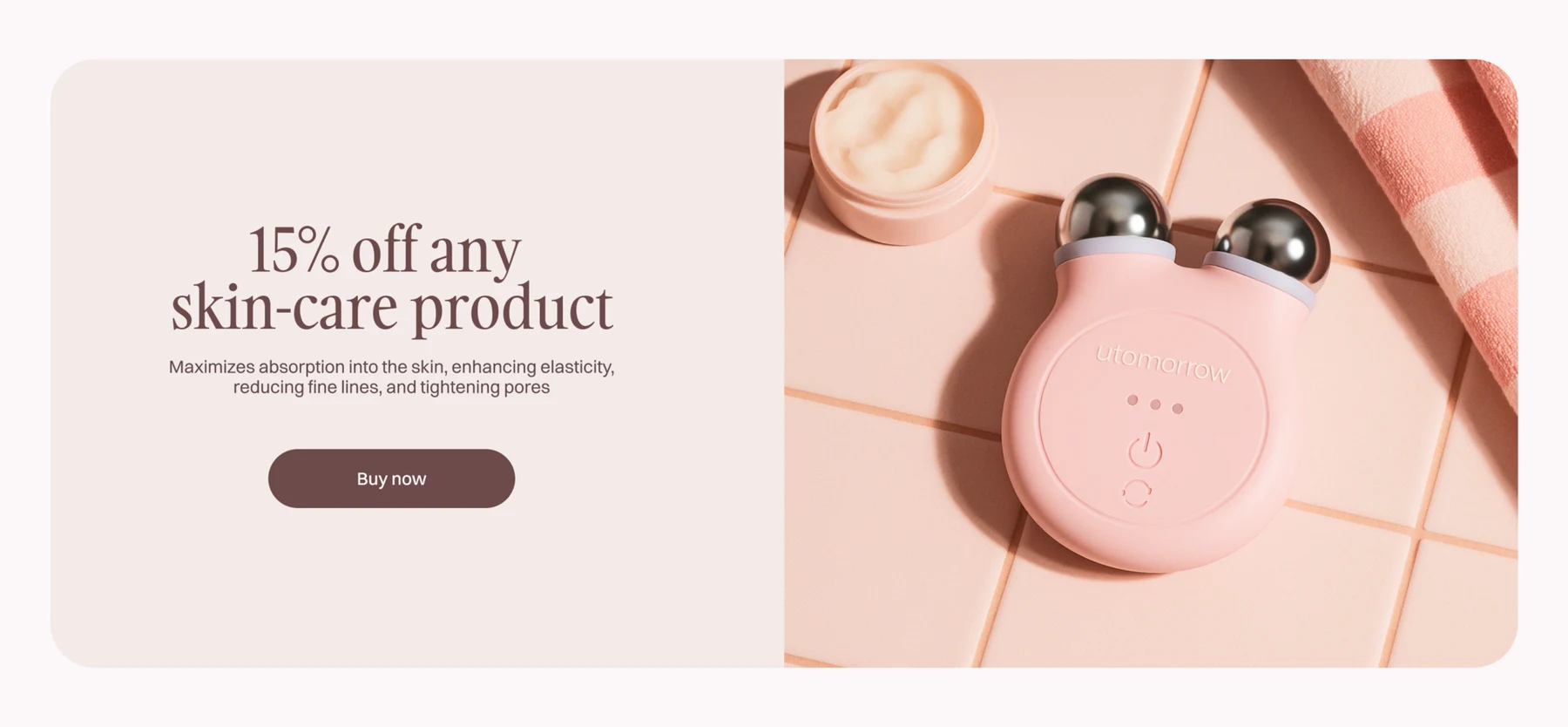
We produced 12 initial creatives around relatable routines, close-up product use and clear explanations. Real-life contexts and warm, straightforward messaging were central to the advertising approach.
The original campaign materials below document the creative direction used for this project; they are not independent product-efficacy claims.
Channels and the funnel
Meta campaigns tested engagement and conversion offers, formats and audiences. TikTok used native short-form content and personal product experiences. Google Search focused on purchase intent, competitor comparisons and audience pain points.
Reels, Shorts and more than ten influencer integrations extended reach. Initial discovery led to targeted offers and landing pages, followed by email and retargeting to address objections and bring visitors back.
Analytics and CRM connected inquiries and orders to a shared view of the customer journey, allowing successful segments and channels to be developed further.
Analytics and CRM
We tracked website behavior, clicks, exits and the performance of traffic sources and ads. Actions were connected to specific offers and audience segments.
The CRM collected and qualified inquiries from the website, email and other channels, preserving contact history and funnel stages. A dashboard made campaign performance and segment progress visible in one place.
Reviews and creators
Internal customer research showed that more than 90% of respondents read reviews before buying. Relevant review environments included Google Maps, Reddit, YouTube and specialist beauty communities.
The published case reports more than 100 product reviews over three months and ten creator integrations. Demonstrations focused on how the device fits into an everyday routine.
The first three months
During the first three months, sales grew 350% and the brand reached over 500,000 unique users. The source case reports average CTR of 14–20% across Meta, TikTok and Google Ads.
The launch established a base of returning customers. Absolute sales figures remain confidential under NDA.
Results cover the first three months. Absolute sales are covered by NDA; figures are limited to those published in the original case.