A campaign type is a delivery system, not a strategy
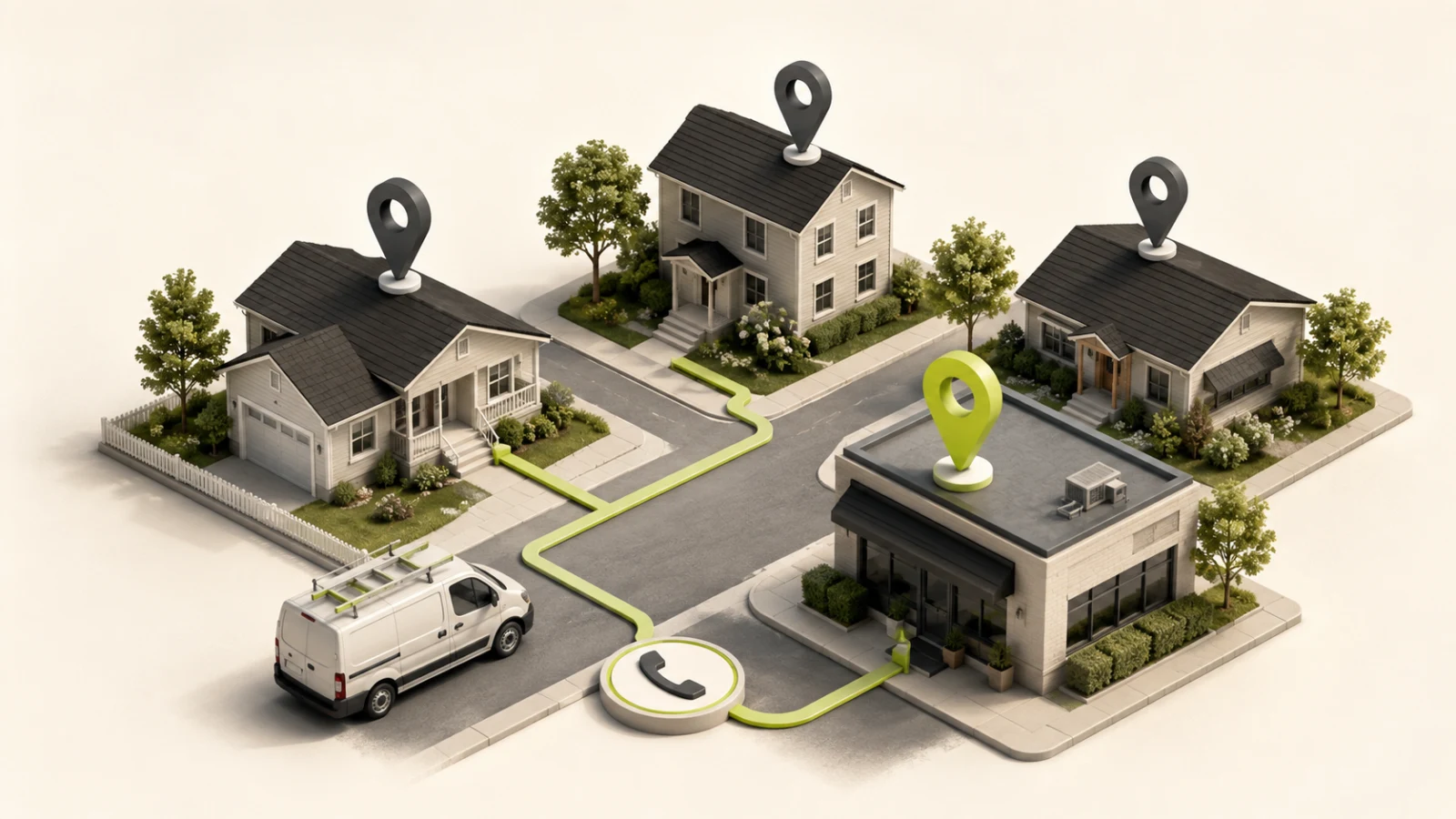
Google Ads offers many ways to reach people, but the interface can make format selection feel like the first strategic decision. It is not. The first decision is which customer situation the business needs to influence: active comparison, product discovery, local urgency, repeat consideration or demand creation.
The same format can perform very differently depending on the offer, the available creative, the quality of conversion data and the page behind the click. A useful media plan therefore describes the job of each campaign before it describes the settings.
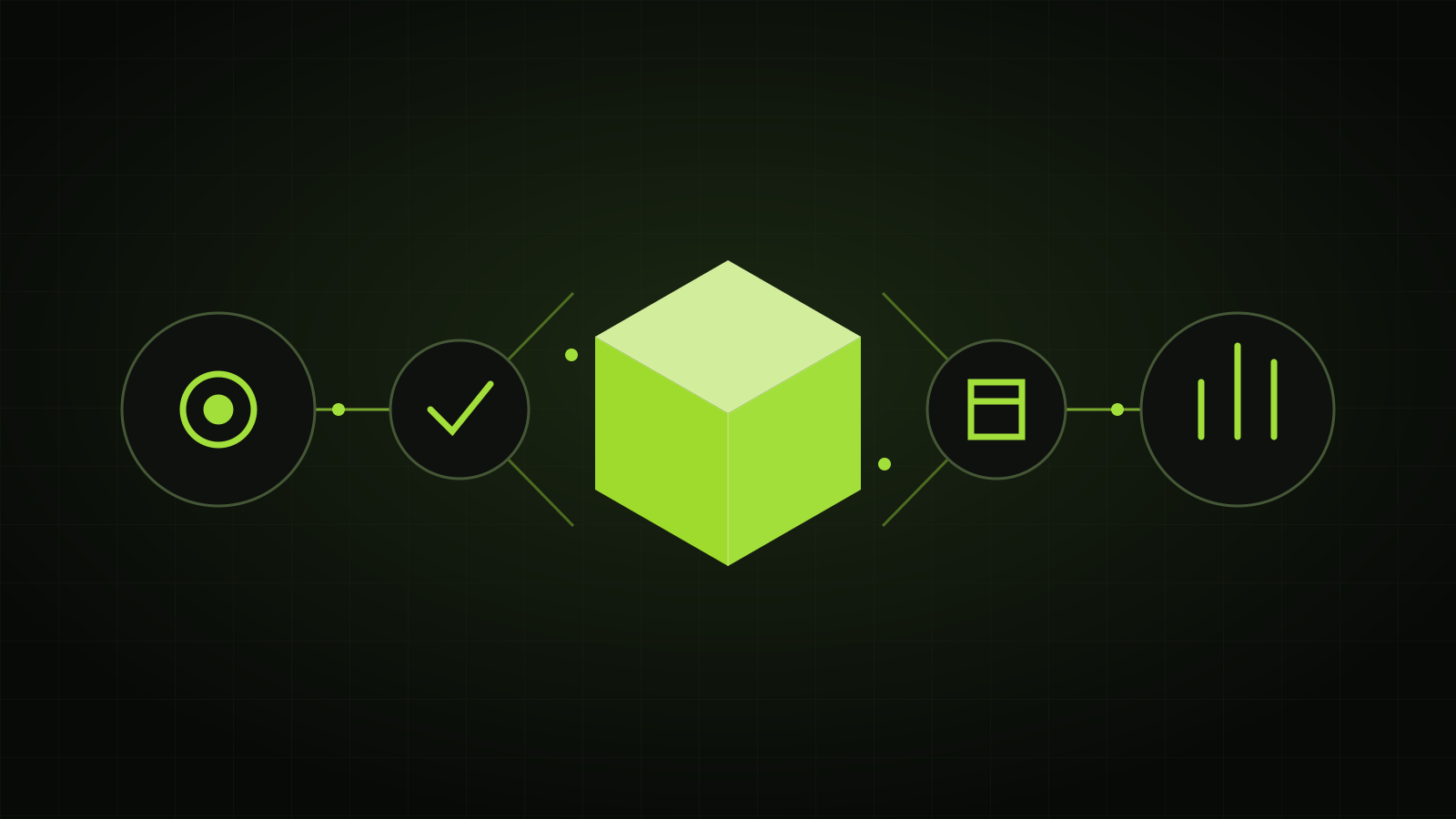
- 01Capture
Search reaches people already expressing a need.
- 02Compare
Shopping makes product and price visible before the click.
- 03Expand
Performance Max distributes strong assets and signals across inventory.
- 04Create demand
Demand Gen and YouTube build consideration before a direct query.
What each major format needs to work
| Format | Best starting situation | What must be ready |
|---|---|---|
| Search | A customer is actively looking for a solution | Intent groups, relevant pages, call and form tracking |
| Shopping | A product can be compared by image, price and availability | Clean feed, product economics, shipping and returns |
| Performance Max | The account has reliable conversion data and usable assets | Conversion hierarchy, audience signals, exclusions and feed quality |
| Demand Gen | The offer benefits from visual discovery and remarketing | Strong creative angles, audience hypotheses and assisted-conversion view |
| Display | Reach or remarketing is the actual job | Placement controls, frequency limits and brand-safe creative |
| YouTube | The product needs demonstration or a new problem frame | A strong opening, mobile-first edits and post-view measurement |
Automation performs better inside clear constraints
Automated bidding and cross-network delivery can find patterns a person would miss, but they still optimize toward the signals they receive. Duplicate conversions, unqualified form fills and weak product feeds teach the system to repeat the wrong outcomes efficiently.
- Choose one primary conversion for bidding.
- Import qualified lead or sale outcomes when volume allows.
- Separate brand demand from acquisition when it changes interpretation.
- Review search terms, placements, assets and geography as business evidence.
- Set budget according to the density of useful demand, not a platform recommendation.
Build a campaign portfolio in stages
Most businesses do not need every format on day one. Start with the channel closest to a measurable customer decision, establish a reliable landing and measurement path, then add formats that solve a specific gap.
A service company may begin with Search and Local Services Ads. A retailer may begin with Shopping and branded Search. Demand Gen or YouTube becomes easier to evaluate after the team knows which messages and audiences produce qualified behavior.